


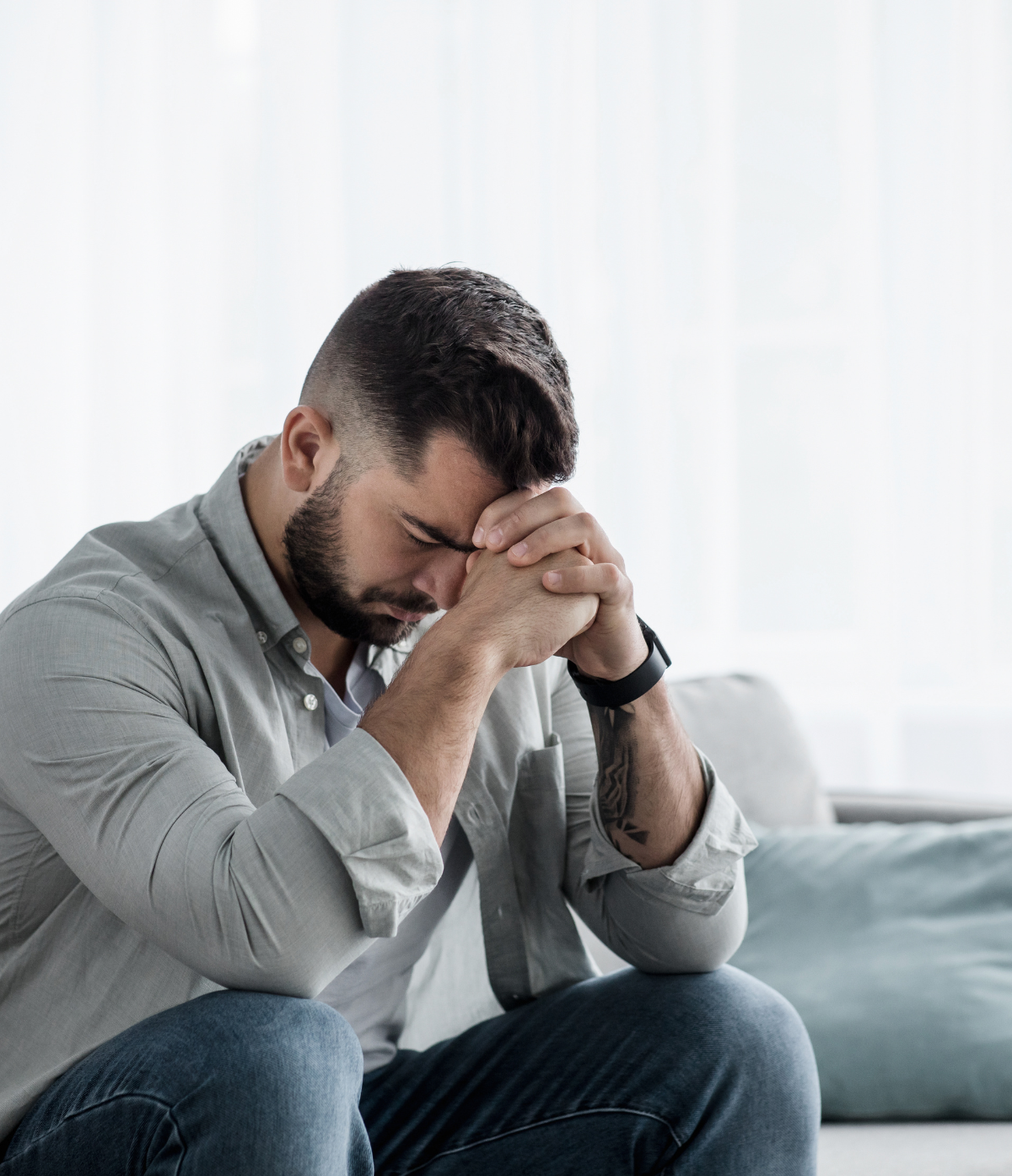
What is Depression?
Depression, also known as major depressive disorder or clinical depression, is a common and serious mental health condition. It negatively affects how you feel, the way you think, and how you act. Depression causes feelings of sadness and a loss of interest in activities you once enjoyed.
It's important to understand that depression is different from normal sadness or grief. While everyone feels sad sometimes, depression is more persistent and can significantly interfere with daily life. Depression is not a weakness or a character flaw—it's a medical condition that can be treated.
Depression affects approximately 280 million people worldwide, making it one of the most common mental health conditions. It can occur at any age but often begins in adulthood. Women are more likely to experience depression than men, though men may be less likely to seek help.
Signs and Symptoms
Depression symptoms can vary from mild to severe. To be diagnosed with depression, symptoms must be present for at least two weeks and represent a change from your previous level of functioning.
Emotional Symptoms
- Persistent sad, anxious, or empty mood that lasts most of the day, nearly every day
- Feelings of hopelessness or pessimism about the future
- Feelings of guilt, worthlessness, or helplessness that seem excessive or inappropriate
- Loss of interest or pleasure in hobbies and activities you used to enjoy
- Irritability and frustration, even over small matters
Physical Symptoms
- Changes in appetite - weight loss or gain unrelated to dieting
- Sleep disturbances - insomnia or sleeping too much
- Loss of energy or increased fatigue, even with adequate sleep
- Physical aches and pains that don't have a clear cause
- Slowed movements or speech that others may notice
Cognitive Symptoms
- Difficulty thinking, concentrating, or making decisions
- Memory problems and forgetfulness
- Thoughts of death or suicide - this is a serious symptom that requires immediate attention
Types of Depression
Depression isn't a one-size-fits-all condition. There are several types, each with unique characteristics:
Major Depressive Disorder
The most common form of depression, characterized by persistent feelings of sadness, hopelessness, and loss of interest. Symptoms must be present for at least two weeks and significantly impact daily functioning.
Persistent Depressive Disorder (Dysthymia)
A chronic form of depression where symptoms last for at least two years. While symptoms may be less severe than major depression, they are long-lasting and can significantly affect quality of life.
Seasonal Affective Disorder (SAD)
Depression that follows a seasonal pattern, typically beginning in fall or winter when there's less natural sunlight. Symptoms usually improve in spring and summer. Light therapy is often effective for this type.
Postpartum Depression
Depression that occurs after childbirth, affecting both mothers and fathers. It's more severe and longer-lasting than the "baby blues" and requires professional treatment.
Bipolar Depression
The depressive phase of bipolar disorder, which also includes periods of mania or hypomania. This type requires different treatment approaches than unipolar depression.
Causes and Risk Factors
Depression doesn't have a single cause. It typically results from a combination of factors:
Biological Factors
- Brain chemistry: Imbalances in neurotransmitters like serotonin, norepinephrine, and dopamine may contribute to depression
- Genetics: Depression can run in families. Having a parent or sibling with depression increases your risk
- Hormonal changes: Fluctuations in hormones can trigger depression, such as during pregnancy, postpartum, menopause, or thyroid problems
Psychological Factors
- Trauma and abuse: Past physical, emotional, or sexual abuse can increase vulnerability to depression
- Personality traits: People with low self-esteem, who are easily overwhelmed by stress, or who are generally pessimistic may be more prone to depression
- Negative thinking patterns: Habitual negative thoughts can reinforce depressive feelings
Environmental Factors
- Major life changes: Job loss, divorce, death of a loved one, or other significant changes can trigger depression
- Chronic stress: Ongoing stress from work, relationships, or financial problems can lead to depression
- Social isolation: Lack of social support and meaningful connections increases depression risk
Treatment Options
Depression is one of the most treatable mental health conditions. Between 80 to 90 percent of people with depression eventually respond well to treatment.
Psychotherapy
Also known as talk therapy, psychotherapy helps people with depression understand and work through their feelings. Common approaches include:
- Cognitive Behavioral Therapy (CBT): Helps identify and change negative thought patterns and behaviors
- Interpersonal Therapy (IPT): Focuses on improving relationships and communication skills
- Psychodynamic Therapy: Explores how past experiences influence current feelings and behaviors
Medication
Antidepressant medications can help correct chemical imbalances in the brain. Common types include:
- SSRIs (Selective Serotonin Reuptake Inhibitors): Often the first-line treatment, including medications like fluoxetine and sertraline
- SNRIs (Serotonin-Norepinephrine Reuptake Inhibitors): Another common option for depression
- Other medications: Your doctor may recommend different options based on your specific situation
It's important to work closely with a healthcare provider when taking medication, as finding the right medication and dosage can take time.
Other Treatments
- Brain stimulation therapies: Such as electroconvulsive therapy (ECT) or transcranial magnetic stimulation (TMS) for treatment-resistant depression
- Light therapy: Particularly effective for seasonal affective disorder
- Exercise: Regular physical activity has been shown to reduce depression symptoms
Self-Care Strategies
While professional treatment is often necessary, self-care strategies can support your recovery:
Physical Health
- Regular exercise: Aim for at least 30 minutes of physical activity most days. Even a short walk can help
- Healthy eating: A balanced diet supports both physical and mental health
- Quality sleep: Maintain a consistent sleep schedule and practice good sleep hygiene
- Limit alcohol: Alcohol is a depressant and can worsen symptoms
Social Connection
- Stay connected: Reach out to friends and family, even when you don't feel like it
- Join a support group: Connecting with others who understand can be very helpful
- Volunteer: Helping others can improve your mood and sense of purpose
Mental Wellness
- Set realistic goals: Break tasks into smaller steps and celebrate small achievements
- Challenge negative thoughts: Question whether your negative thoughts are accurate
- Practice mindfulness: Mindfulness and meditation can help reduce depressive symptoms
- Do things you enjoy: Even if you don't feel like it, engaging in activities can improve your mood
Helping Someone with Depression
If someone you care about is experiencing depression, here's how you can help:
What to Do
- Listen without judgment: Let them know you're there for them
- Encourage professional help: Gently suggest they speak with a doctor or therapist
- Offer practical support: Help with daily tasks like cooking, cleaning, or running errands
- Be patient: Recovery takes time, and there may be setbacks
- Take care of yourself: Supporting someone with depression can be emotionally draining
What to Avoid
- Don't minimize their feelings or tell them to "snap out of it"
- Don't compare their situation to others or say "other people have it worse"
- Don't give unsolicited advice about what they should do
- Don't take their behavior personally
When to Seek Emergency Help
If someone expresses thoughts of suicide or self-harm, take it seriously. Stay with them, remove any means of self-harm if possible, and call emergency services or a crisis hotline immediately. In the US, you can call or text 988 for the Suicide and Crisis Lifeline.